
THE BUSINESS AI PLAYBOOK
AI for bookkeeping firms: create a dependable month-end exception queue
Use AI to organize bookkeeping close exceptions, draft client questions and explain unresolved items while keeping calculations and ledger changes controlled.
 Discuss with Oliver and his team
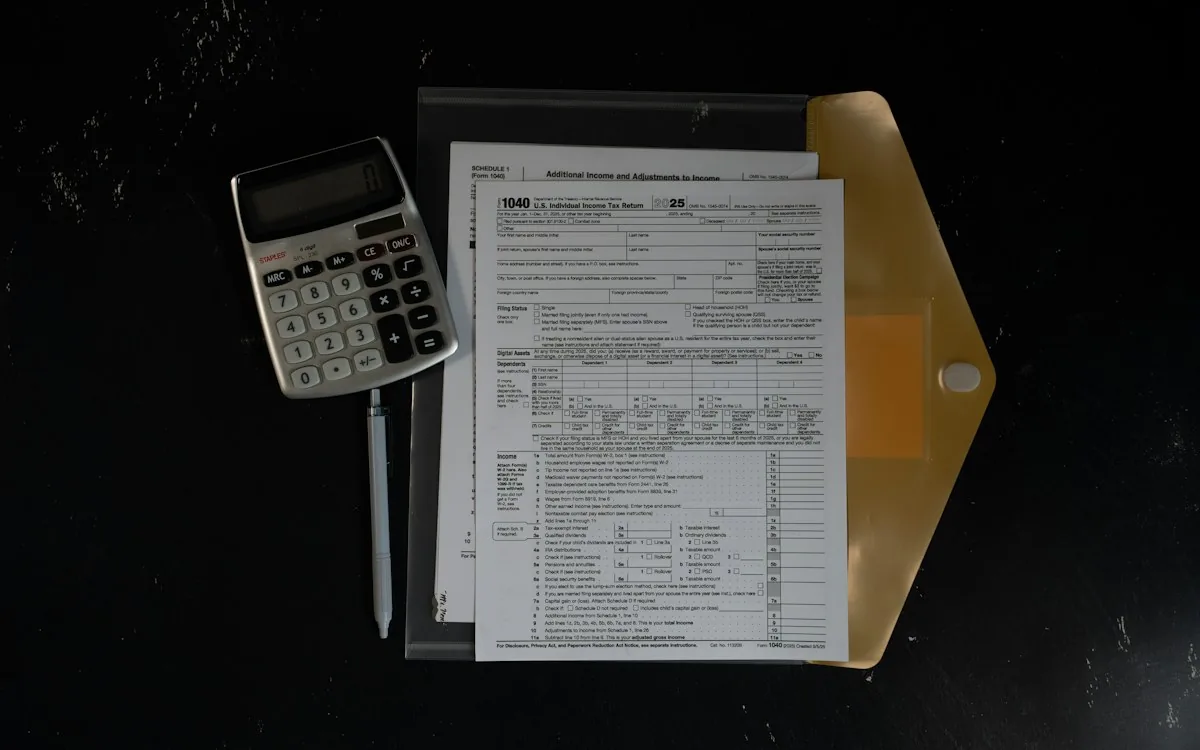
Bookkeeping firms can use AI to organize month-end exceptions and prepare clear questions for clients. Keep the ledger and calculation engine as the source of financial truth. Let AI classify supporting information, summarize unresolved issues and draft explanations for review. Start with a repeatable exception queue across a small client group, then measure whether reviewed books close with less rework and fewer unanswered questions.
What to take away
- Use AI around the close checklist, not as the arithmetic authority.
- Separate a proposed classification from an approved ledger entry.
- Measure close quality alongside the number of days to completion.
Name the exceptions that slow your close
A month-end close is not one task. It includes reconciliation, supporting-document collection, coding questions and reviewer sign-off. Identify the two or three exception types that consume the most staff attention. Examples might include missing receipts, unclear transfers or unmatched processor deposits. Give each type a required evidence standard and a named resolution owner.
Create a queue with client, period, account, transaction reference, question, due date and status. The AI assistant can group related questions into one useful client request. It should not combine transactions solely because their descriptions look alike. Preserve the identifiers that let a reviewer trace the issue back to the ledger.
Keep calculations deterministic and explanations grounded
Use accounting software or tested code to calculate balances, variances and reconciliation totals. AI can explain a computed difference using the underlying records, but it should not create a number from narrative reasoning. Where evidence is insufficient, the explanation should say what is missing and ask a precise question.
For proposed coding, display the source transaction and the policy or prior approved example used. A historical classification may have been wrong, so frequency alone is not approval. Require the firm’s designated reviewer before posting entries that fall outside agreed rules. Keep sensitive client records inside the firm’s approved environment.
A hypothetical processor-deposit problem
Imagine a client whose bank receives a net deposit while the sales report shows gross receipts and fees separately. A useful workflow obtains the approved reports, uses deterministic reconciliation to calculate the difference and drafts a question if a component is missing. It should not classify the difference as miscellaneous expense just to clear the queue.
Once a reviewer resolves the issue, store the approved resolution pattern with the relevant client and period. Next month, the assistant can suggest the same evidence requirements. This builds operational consistency without turning one resolved case into a universal accounting rule.
Publish a close brief people can act on
At a defined cutoff, produce a short close brief: completed checks, unresolved items, proposed next actions and reviewer sign-offs. Make the age of each open question visible. The client manager should see whether the delay is waiting on documentation, a bookkeeping decision or a review backlog.
Use this instruction: “Prepare a close exception brief from the approved ledger export and checklist. Quote transaction references. Use supplied calculation outputs exactly. Separate verified facts, proposed classifications and unanswered questions. Do not post entries or declare the books closed.” Pilot this on a consistent client segment before adding cross-client automation.
FROM READING TO ACTION
Your first steps
- Choose the most frequent close exceptions.
- Define required evidence and a resolution owner for each.
- Keep calculations in the accounting system or tested code.
- Create a reviewer queue for proposed entries.
- Compare quality and elapsed time across several close cycles.
What to measure
| Measure | How to track it |
|---|---|
| Close cycle time | Measure period-end to reviewer-approved close using the same readiness definition. |
| Exception aging | Track days unresolved for each exception type and owner. |
| Post-close corrections | Count material corrections found after sign-off, using the firm’s own materiality criteria. |
Common questions
Can AI automatically code every transaction?
A cautious pilot begins with suggestions and limited approved rules. Ambiguous, unusual or material transactions need the firm’s review process.
How does this help a growing firm?
A shared exception process makes handoffs clearer and reduces dependence on one person remembering every client’s unresolved questions.
Sources & further reading
These sources provide background. The workflow designs are Palnau Systems implementation guidance; examples are illustrative, not reported client results. Product capabilities and requirements can change.
Prepared with AI assistance for business owners and managers. For a recommendation based on your actual systems and requirements, work directly with Oliver and his team.