THE BUSINESS AI PLAYBOOK
AI for Restaurants: Build a Better Catering Inquiry Workflow
Use AI to organize catering requests, prepare event briefs and follow up on missing details while keeping menu, allergy and capacity decisions with your team.
 Discuss with Oliver and his team
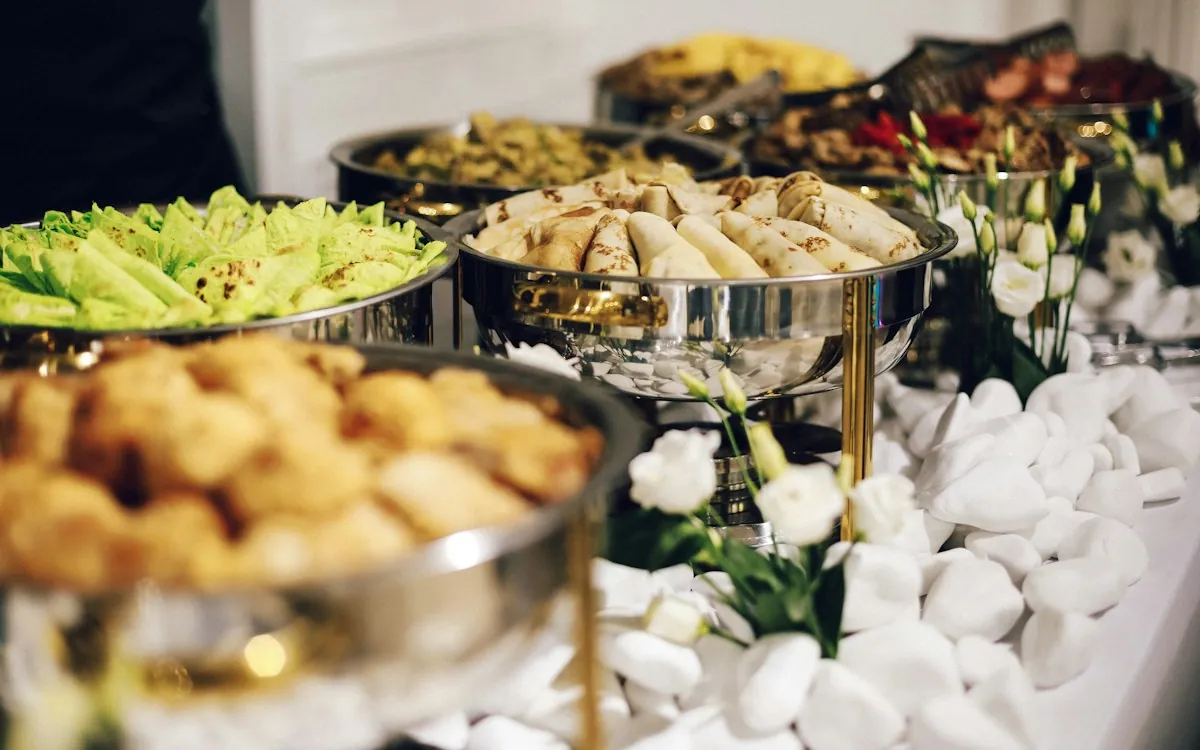
Restaurants can use AI to turn catering inquiries into an event brief with date, location, guest count, service style and unanswered questions. The assistant can prepare a proposal draft from an approved menu after staff verify capacity and requirements. Keep food-allergy discussions, custom menu decisions, pricing exceptions and final event commitments with the responsible restaurant team.
What to take away
- Collect the details that determine whether an event is feasible.
- Never infer allergy safety from a menu description.
- Separate proposal, deposit and confirmed-event states.
Capture event logistics before drafting a menu
A useful brief includes event date, serving time, delivery or pickup, location, approximate guest count, service style and the organizer’s contact information. Ask about access, setup and equipment only when those details affect the service requested. Keep the first interaction short, then request the missing information in one organized follow-up.
Treat quantities and preferences as provisional until the organizer confirms them. A guest-count range should not silently become a fixed production number. Record deadlines for final counts and changes using the restaurant’s approved policy.
Ground proposals in the current menu and capacity
Use approved menu items, prices and available service options. The kitchen or catering manager should confirm production capacity for the specific date and time. AI should not promise that the restaurant can prepare a custom item because it knows a recipe or a similar dish appears elsewhere online.
Food-allergy requests need a trained staff conversation and the restaurant’s reviewed process. FDA material highlights allergen cross-contact as a food-safety issue. An ingredient list alone does not establish what the kitchen can safely accommodate, and a generated reassurance is not an acceptable substitute for verification.
Worked example: an office lunch with missing details
Hypothetical example: an organizer asks for lunch for “about forty people” next Thursday and mentions a dietary requirement. The assistant prepares a brief, flags the uncertain count and delivery location, and routes the dietary question to the catering manager. It drafts a follow-up asking for the information needed to prepare a reliable proposal.
After staff approve the menu and logistics, the assistant assembles the proposal from current items. The event remains proposed until the restaurant’s booking conditions are met. A friendly email exchange should not be treated as a confirmed kitchen production order.
Connect the sale to the kitchen handoff
A confirmed event should create a clear operational packet with the final count, menu revision, serving time, logistics and approved special instructions. If the organizer changes something later, highlight the difference and obtain the necessary review. Do not let the sales conversation and kitchen sheet drift apart.
Pilot one service format, such as pickup platters or office lunch delivery. Review declined opportunities as well as booked ones. You may discover that customers need clearer minimums, faster answers about delivery or a simpler menu more than they need another marketing campaign.
FROM READING TO ACTION
Your first steps
- Define the minimum event brief for one catering format.
- Connect approved menu, pricing and booking policies.
- Route every allergy-related question to trained staff.
- Require capacity review before a proposal becomes confirmed.
- Keep one final event packet shared with the kitchen.
What to measure
| Measure | How to track it |
|---|---|
| Proposal readiness time | Time from inquiry to verified completion of the information needed for a proposal. |
| Event handoff accuracy | Confirmed events whose kitchen packet matches the final customer agreement. |
| Qualified inquiry conversion | Confirmed events divided by inquiries that fit the restaurant’s reviewed service criteria. |
Common questions
Can AI create custom menus automatically?
It can prepare ideas for kitchen review. Do not promise ingredients, quantities, dietary suitability or availability until the responsible restaurant team approves them.
Should the assistant chase every unfinished inquiry?
Use a short, relevant follow-up that asks for missing event details. Stop when the organizer declines or asks not to be contacted, and respect your contact policy.
Sources & further reading
These sources provide background. The workflow designs are Palnau Systems implementation guidance; examples are illustrative, not reported client results. Product capabilities and requirements can change.
Prepared with AI assistance for business owners and managers. For a recommendation based on your actual systems and requirements, work directly with Oliver and his team.