
AI ECONOMICS
Turn AI efficiency into measured profit
 Oliver Palnau & teamPalnau SystemsDiscuss with Oliver and his team
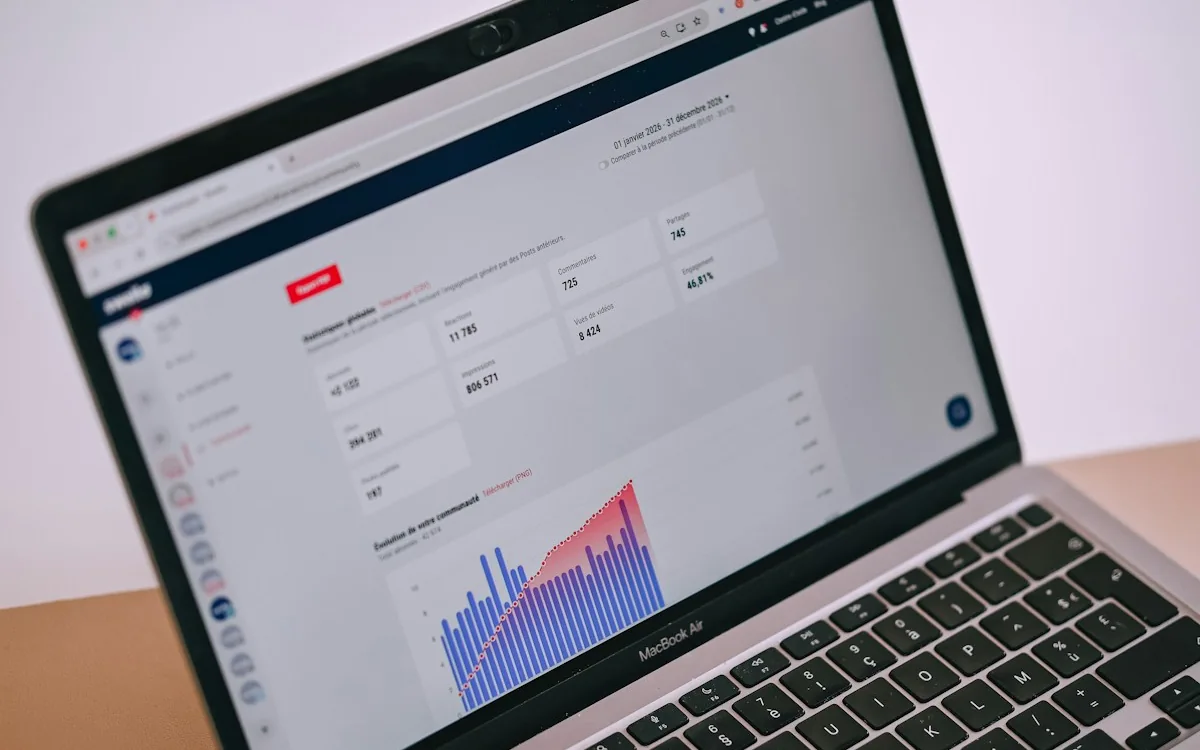
More AI output is not the same as more profit. Measure the work completed, the resources used and the financial benefit the business actually realizes.
Measure the current process
Record task volume, handling time, waiting time, errors, overtime, software cost and the people involved. Use source records where possible and label estimates. Define the period and avoid choosing only the easiest cases.
For sales work, also record response time, qualified opportunities and accepted quotes. A faster draft is an operational result; an additional profitable sale is a financial result.
Count benefits without double counting
Recovered staff time is capacity. It becomes cash savings if the business reduces a real expense, such as overtime or outsourced processing. It can also support more revenue when the team uses it to deliver additional work.
For incremental sales, count contribution after the variable cost of delivery. Do not count the same recovered hours as both full payroll savings and full additional output without a defensible explanation.
Include the full operating cost
Include model calls, retrieval, storage, hosting, licenses, retries, human review, support and maintenance. Add implementation cost when evaluating first-year returns and payback.
Track cost per successful task. A cheap model that produces many failures can be more expensive than a stronger model that finishes correctly.
Reduce waste before adding complexity
Send only relevant context, reuse stable information when permissions and freshness allow, batch work that can wait and use deterministic code for exact calculations. Test smaller models on bounded tasks.
Every optimization needs a quality check. A reduced token bill is not a win if the system creates more rework or misses important cases.
Review and expand deliberately
Compare the pilot with the baseline using agreed success criteria. Look at quality, adoption, realized savings, added contribution and ongoing costs. Investigate changes in volume or staffing that could distort the comparison.
Expand the workflows that demonstrate value. Use the calculator to explore assumptions, then validate those assumptions against business records.
Make it work in your business.
We build the agents, connect trusted information and train your team.
Discuss your workflow